
In an era of hyper-connectivity and pervasive blue light, the quest for a restful night's sleep has moved beyond simple mattresses and white noise machines. As of 2026, the biohacking community and medical professionals alike are turning toward non-pharmacological interventions that work with the body's natural circadian rhythms. Two major players have emerged in the specialized red light sleep space: CalmiPulse and Helight Sleep.
But how do these high-tech devices stack up against each other, and more importantly, how do they compare to traditional pharmaceutical sleep aids? This guide breaks down the science, the specs, and the results.
The Contenders at a Glance
Before diving into the deep physics of wavelengths and frequencies, let's look at the core value proposition of each method.
| Feature | CalmiPulse | Helight Sleep | Melatonin / Sleep Pills |
|---|---|---|---|
| Primary Mechanism | 670nm Red Light + 7.83Hz Schumann Resonance | 630nm Pure Red Light | Chemical suppression of CNS |
| Wavelength | 670nm (Deep Red / Retinal Support) | 630nm (Red) | N/A |
| Frequency Component | 7.83Hz (Alpha-Theta Entrainment) | None | N/A |
| User Effort | Passive (Bedside Placement) | Passive (Bedside Placement) | Active (Ingestion) |
| Side Effects | None reported | None reported | Grogginess, dependency, vivid dreams |
1. The Wavelength Debate: 670nm vs. 630nm
Both CalmiPulse and Helight leverage the power of red light to avoid the melatonin-suppressing effects of blue light. However, the choice of wavelength is where the science diverges.
Helight: The 630nm "Sunset" Glow
Helight utilizes a 630nm wavelength, which is a standard red light often associated with collagen production and general visibility. It effectively signals to the pineal gland that day is over, preventing the "blue light alert" response. Helight’s patented 28-minute protocol is designed to dim gradually, mimicking a natural sunset.
CalmiPulse: The 670nm "Retinal & Mitochondrial" Reset
CalmiPulse selects 670nm deep red light. Research published in Scientific Reports (Nature) and Scientific American has highlighted 670nm specifically for its ability to recharge mitochondrial energy (ATP) and even support retinal health. For sleep, 670nm is deeper in the spectrum, ensuring zero interference with melatonin production even at higher relative intensities than 630nm.
2. The Missing Link: Why 7.83Hz Matters
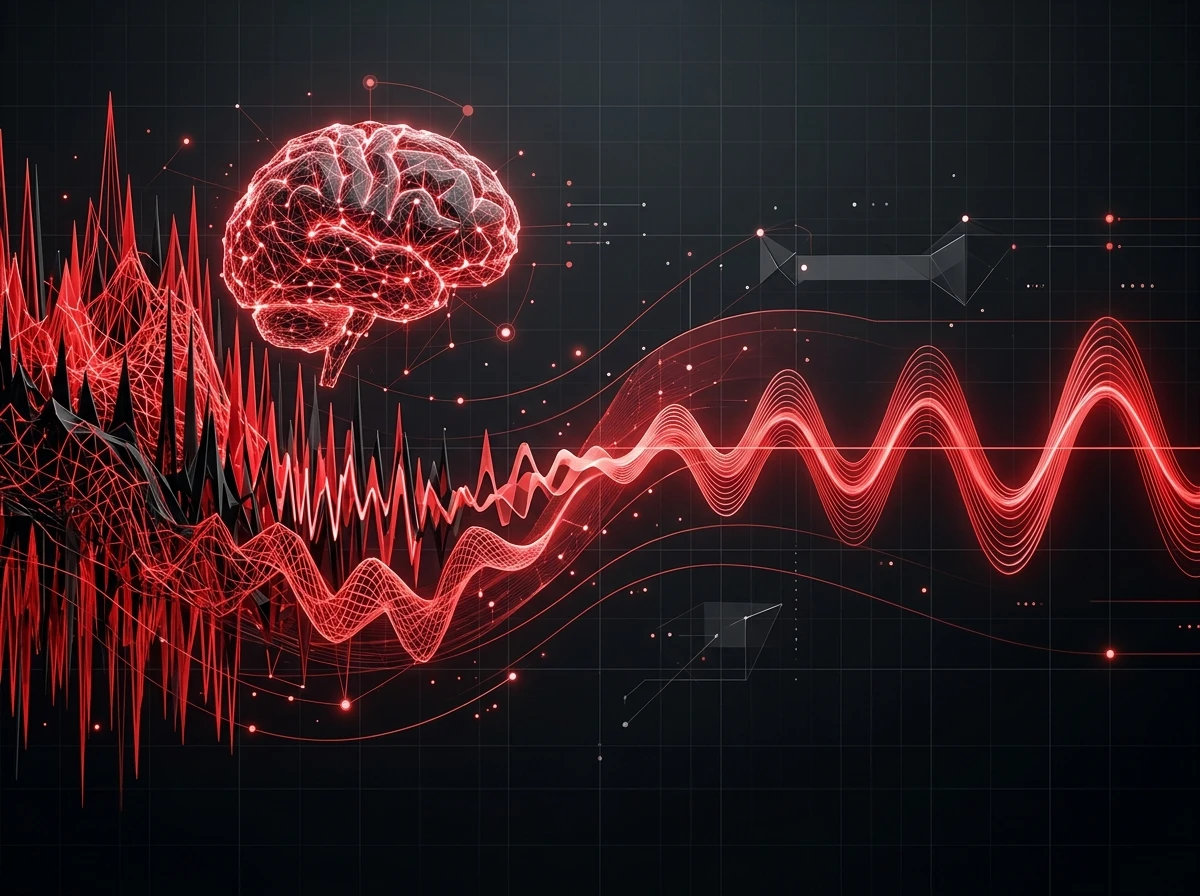
The most significant differentiator for CalmiPulse is the integration of the Schumann Resonance at 7.83Hz. While Helight is a purely optical device, CalmiPulse is a multi-modal entrainment tool.
The Schumann Resonance is an extremely low frequency (ELF) electromagnetic field that exists between the Earth's surface and the ionosphere. Humans have evolved in this environment for millennia. Modern life (the "electrosmog" of Wi-Fi and 5G) has largely decoupled us from this natural pulse.
By emitting a stable 7.83Hz signal, CalmiPulse helps "ground" the brain's electrical activity. This frequency falls directly into the Alpha-Theta border, the brainwave state associated with deep relaxation, meditation, and the transition into sleep. While light therapy resets your clock, frequency therapy resets your nerves.
3. CalmiPulse vs. Traditional Pharmaceuticals
For decades, the standard answer to insomnia was a pill. Whether it’s over-the-counter melatonin or prescription benzodiazepines, these methods share a common flaw: they are "brute-force" solutions.
- Pharmaceuticals often induce a state of unconsciousness rather than high-quality, restorative REM and deep sleep. This often leads to the "hangover effect" the next morning.
- Melatonin Supplements can be useful for jet lag, but chronic use can lead to the body down-regulating its own natural production, creating a cycle of dependency.
CalmiPulse offers a different path. It doesn't force you into unconsciousness; it removes the biological barriers to natural sleep. By suppressing cortisol (via red light) and calming the nervous system (via Schumann frequency), it allows your body to do what it was designed to do.
Honest Caveats: What to Expect
It would be dishonest to call any device a "magic bullet." Biohacking requires patience.
- Environment is King: Even with a CalmiPulse, if you are scrolling on a smartphone at full brightness until 2 AM, the device's effects will be severely diminished.
- Consistency: While many users report better sleep from Night One, the structural reset of your circadian rhythm usually takes 7 to 14 days of consistent use.
- Intensity: Some users find the red glow too bright initially. Both CalmiPulse and Helight are designed to be used as ambient light, not direct spotlights.
Conclusion: Which is Right for You?
- Choose Helight Sleep if you are looking for a simple, travel-sized light device that offers a clean, sunset-mimicking protocol and you have a limited budget.
- Choose CalmiPulse if you want a comprehensive, evidence-based sleep station. It is the superior choice for high-stress individuals, shift workers, and those who want the added benefit of 7.83Hz frequency entrainment and the mitochondrial support of the 670nm wavelength.
References
- Mitochondrial Aging and 670nm Light: Scientific Reports, "Optically improved mitochondrial function redeems aged metabolic control."
- Schumann Resonances and Human Bioregulation: Journal of Environmental Biology, "The influence of Schumann resonance on human health."
- Red Light and Melatonin: Journal of Athletic Training, "Red Light and the Sleep Quality and Endurance Performance of Chinese Female Basketball Players."
- Circadian Entrainment: Sleep Medicine Reviews, "The effect of light on the human circadian system."